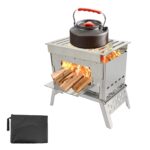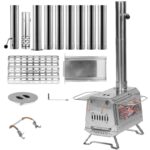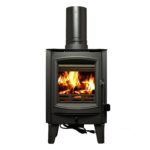

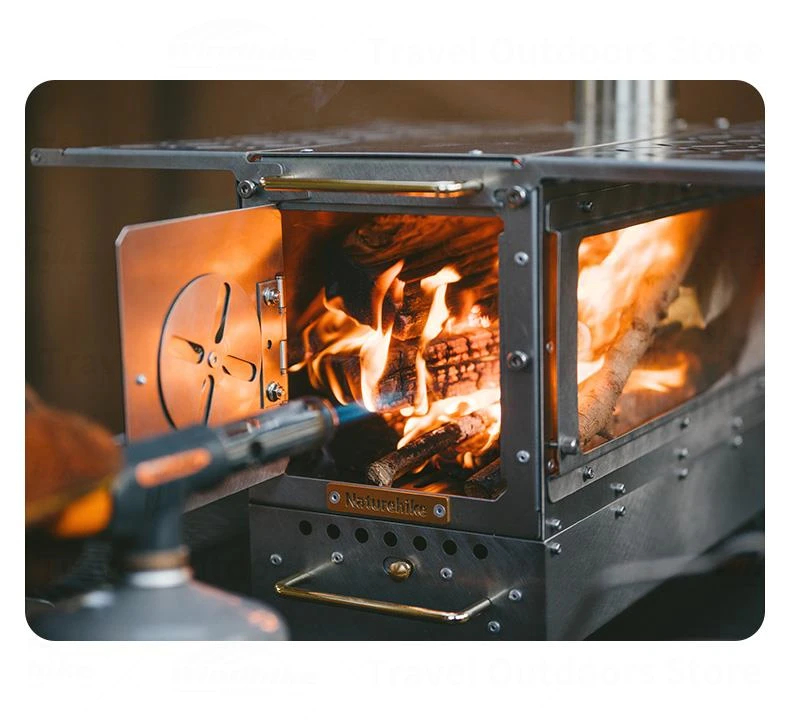
A portable outdoor wood stove is a game-changer for outdoor enthusiasts—providing warmth, cooking ability, and a cozy camp atmosphere without relying on gas or electricity. But even the best wood stove (like the ones we build at woodstoveworks.com) can underperform, become unsafe, or break prematurely if used incorrectly. After helping thousands of campers, hikers, and outdoor lovers use our portable wood stoves, we’ve seen the same mistakes repeated time and time again—mistakes that can ruin your camping trip, damage your stove, or even put you in danger.
In this guide, we’re sharing the 7 most common mistakes to avoid when using a portable outdoor wood stove, along with expert tips to ensure you get the most out of your stove—whether you’re using it for tent heating, camping cooking, or backyard relaxation. These tips are based on real-world experience, industry best practices, and the design of our woodstoveworks portable stoves, so you can stay safe, efficient, and enjoy your outdoor adventures to the fullest.
1. Using the Wrong Fuel (One of the Most Dangerous Mistakes)
One of the biggest mistakes campers make is using the wrong fuel in their portable outdoor wood stove—and it’s also one of the most dangerous. Many people assume “any wood” will work, but this couldn’t be further from the truth. Wet or green wood (wood that hasn’t been seasoned for 6–12 months) produces more smoke, less heat, and builds up creosote (a flammable substance) in the chimney, increasing the risk of chimney fires. Avoid treated wood, plywood, or trash—these release toxic fumes when burned, which are harmful to breathe and can damage your stove.
Expert Tip from Woodstoveworks: Use seasoned hardwood (like oak, maple, or birch) for the cleanest, hottest burn. For quick, convenient fuel, small dry twigs or branches found at your campsite work great too. Our portable wood stoves are designed to burn natural wood efficiently, so you get maximum heat with minimal smoke.
2. Skipping the Chimney Setup (Critical for Safety)
If you’re using a portable outdoor wood stove inside a tent (or even under a shelter), skipping the chimney setup is a fatal mistake. Without a properly assembled chimney that extends outside, smoke and carbon monoxide will build up inside your tent—putting you at risk of poisoning. Even for outdoor use (like at a campsite), a chimney helps direct smoke away from your cooking area and prevents embers from flying.
Expert Tip from Woodstoveworks: Always assemble the chimney fully and secure it to the stove. For tent use, make sure the chimney exits through a stove jack (a dedicated opening in your tent) and is secured with wind ropes to prevent it from tipping. Our woodstoveworks portable stoves come with 6 chimney sections and wind ropes, making setup quick and easy—don’t skip this step!
3. Placing the Stove on Flammable Surfaces
Portable outdoor wood stoves get extremely hot—so placing them on flammable surfaces (like grass, leaves, tent floors, or wooden tables) is a recipe for disaster. Even if you’re using the stove outdoors, a hot stove can ignite dry grass or leaves, causing a wildfire. This mistake is especially common among new campers who underestimate how hot the stove body gets.
Expert Tip from Woodstoveworks: Always place your portable outdoor wood stove on a non-flammable surface, like a metal base, stone slab, or fire pit. If you’re using it inside a tent, use a fireproof mat under the stove to protect the tent floor. Our woodstoveworks stoves have a sturdy base, but proper placement is still essential for safety.
4. Overloading the Firebox
It’s tempting to load the firebox with as much wood as possible to get more heat—but this mistake actually reduces efficiency and increases safety risks. Overloading the firebox restricts airflow, causing the wood to burn slowly, produce more smoke, and build up creosote. It also increases the risk of embers escaping the stove or the stove tipping over.
Expert Tip from Woodstoveworks: Fill the firebox no more than 2/3 full. This allows for proper airflow, ensuring a clean, hot burn. For longer burn times, add small pieces of wood gradually instead of overloading the stove. Our portable stoves have a perfectly sized firebox that balances heat output and safety—follow this rule to get the most out of your stove.
5. Neglecting Ash Cleanup
Many campers forget to clean the ash from their portable outdoor wood stove—and this mistake reduces efficiency and shortens the stove’s lifespan. Ash buildup blocks airflow, making the stove burn less efficiently and requiring more wood to maintain heat. It can also cause rust if left in the stove for long periods, especially if the stove gets wet.
Expert Tip from Woodstoveworks: Empty the ash drawer (a feature on all woodstoveworks portable stoves) after each use, once the stove has cooled completely. For deeper cleaning, wipe down the firebox with a dry cloth to remove soot and ash buildup. Regular cleanup ensures your stove performs well for years to come.
6. Ignoring Wind Conditions
Wind can disrupt the flame of your portable outdoor wood stove, reducing heat output, increasing smoke, and even extinguishing the fire. Many campers ignore wind conditions, leading to frustration and inefficient burning. This is especially problematic for outdoor use, where winds can be unpredictable.
Expert Tip from Woodstoveworks: Choose a sheltered spot for your stove (like behind a tree or rock) to block wind. If winds are strong, use the wind curtain feature (included on our woodstoveworks stoves) to stabilize the flame. You can also use wind ropes to secure the stove and chimney, preventing them from tipping in strong winds.
7. Leaving the Stove Unattended
Leaving a lit portable outdoor wood stove unattended is one of the most reckless mistakes you can make—whether you’re using it inside a tent or outdoors. A single spark or tipping stove can cause a fire, putting you, your gear, and the surrounding environment at risk. This mistake is common among campers who step away to gather wood or explore, only to return to a dangerous situation.
Expert Tip from Woodstoveworks: Never leave a lit stove unattended. If you need to step away, extinguish the fire completely and wait for the stove to cool down. For longer breaks, use the air intake to reduce the flame to a low burn, but always return quickly. Safety should always be your top priority when using any wood stove.
Final Thoughts: Use Your Portable Outdoor Wood Stove the Right Way
A portable outdoor wood stove is a fantastic tool for outdoor adventures—but only if used correctly. By avoiding these 7 common mistakes, you’ll stay safe, extend the lifespan of your stove, and get the most out of every camping trip. At woodstoveworks.com, our portable wood stoves are designed to be safe, efficient, and easy to use—but even the best stove requires proper care and use.
If you’re looking for a reliable, durable portable outdoor wood stove that’s designed for real outdoor use, check out our collection at woodstoveworks.com. Our stoves feature 430 stainless steel construction, secondary combustion, wind curtain, complete accessory kits, and a compact, portable design—perfect for camping, tent heating, and outdoor cooking. With the right stove and the right habits, you’ll enjoy warm, cozy outdoor adventures for years to come.
FAQs
Q: How do I extinguish a portable outdoor wood stove safely?
A: Close the air intake to cut off oxygen, and let the fire burn out naturally. Never use water to extinguish the fire (this can damage the stove and cause rust). Once the stove is completely cool, empty the ash drawer.
Q: Can I use charcoal in my portable outdoor wood stove?
A: Yes—charcoal works well in most portable wood stoves, including woodstoveworks models. It burns longer and produces less smoke than wood, making it great for cooking. Just be sure to use natural charcoal (not briquettes with additives) for the cleanest burn.