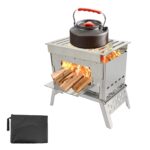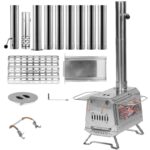

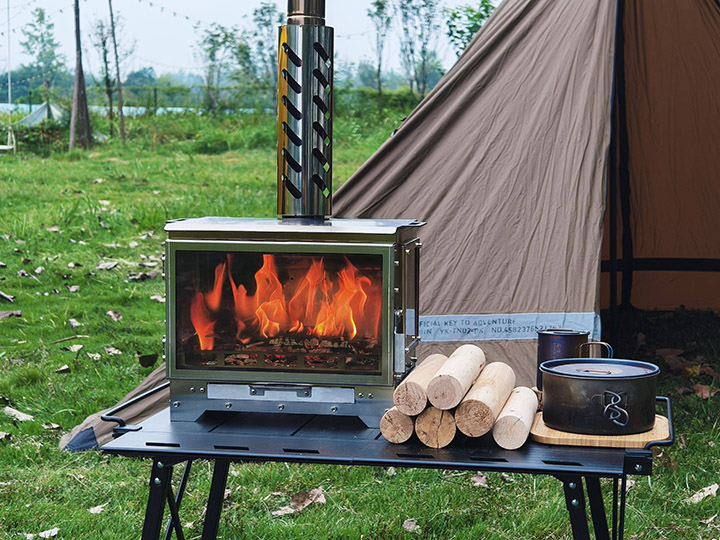
If you love camping, tent life, backpacking, or off‑grid outdoor time, aportable outdoor wood stove is one of the most practical investments you can make. It delivers reliable heat, lets you cook naturally, creates a cozy camp atmosphere, and works without gas or electricity. At woodstoveworks.com, we build stoves that balance durability, portability, safety, and efficiency for real outdoor use. In this guide, we share everything you need to know to choose, use, and enjoy a portable outdoor wood stove the right way—perfect for both beginners and seasoned outdoor enthusiasts.
What Is a Portable Outdoor Wood Stove?
A portable outdoor wood stove is a compact, movable heating and cooking unit designed for outdoor spaces, tents, campsites, patios, and emergency use. Unlike fixed home stoves, these models are lightweight, easy to assemble, and built to burn small pieces of firewood, twigs, or biomass fuel—making them ideal for off-grid adventures where traditional heating or cooking tools aren’t available.
Modern portable stoves, like those we offer at woodstoveworks.com, include advanced features like secondary combustion, wind curtains, ash drawers, heat shields, and stable bases to improve safety and efficiency. Whether you’re a solo hiker, family camper, or winter tent user, the right portable outdoor wood stove turns cold, uncomfortable trips into warm, enjoyable experiences that feel like a home away from home.
Key Benefits of a Portable Outdoor Wood Stove
Investing in a quality portable outdoor wood stove isn’t just about warmth—it’s about enhancing your entire outdoor experience. Here are the top benefits that make these stoves a must-have for outdoor lovers:
1. Reliable Heat Anywhere, Anytime
A well-built portable outdoor wood stove provides consistent warmth in tents, camping areas, garages, patios, and even during emergency power outages. It works independently of power grids or fuel canisters, so you can stay warm no matter how remote your location is—perfect for winter camping or off-grid living.
2. Low-Cost, Renewable Fuel Source
Unlike gas or electric stoves that require expensive fuel or access to power, a portable wood stove uses natural, renewable fuel: found wood, small branches, or seasoned firewood. This not only reduces your outdoor expenses but also supports eco-friendly practices by using a sustainable resource.
3. Multi-Purpose Use for Maximum Convenience
Most portable outdoor wood stove models handle both heating and cooking, making them incredibly versatile. You can boil water for coffee or tea, warm up pre-cooked meals, cook simple camp dishes like beans or pancakes, and even create a comforting campfire view—all with one compact device.
4. Compact & Transportable for Easy Travel
Designed specifically for travel, these stoves fold or disassemble into compact sizes that fit easily in camping gear, car trunks, or even backpacks (for smaller models). They balance weight and strength, so you can take them on every adventure without feeling burdened by heavy equipment.
5. Safe & Controlled Burning for Peace of Mind
Modern portable outdoor wood stove models come with safety features that minimize fire risks when used correctly. These include spark arrestors to prevent flying embers, heat shields to protect surrounding surfaces, wind protection to keep flames stable, and sturdy bases to prevent tipping—making them safe for use in tents and campsites.
How to Choose the Best Portable Outdoor Wood Stove
Choosing the right portable outdoor wood stove depends on your specific needs—whether you’re backpacking solo, camping with family, or using it for tent heating. Here are the most important factors to consider (straight from the experts at woodstoveworks.com):
Material & Durability
Look for stoves made from sturdy, heat-resistant materials like 430 stainless steel or carbon steel—these materials resist rust, high temperatures, and outdoor wear and tear. Key thicknesses to check: a top plate of 3mm or thicker for stability (perfect for cooking) and a body thickness of 2mm or thicker for long-lasting durability. Welded or reinforced joints are also important for rugged outdoor use.
Size & Weight
Match the stove’s size and weight to your adventure type: – Backpacking: Opt for ultra-compact models under 10kg that fit in a backpack. – Family camping: Choose stoves between 10–20kg for stability and enough cooking/heating space. – Tent heating: Go for a medium-sized portable outdoor wood stove with good heat output that fits comfortably inside your tent without taking up too much space.
Heating & Combustion Technology
Advanced features make a big difference in efficiency and usability: – Secondary combustion: This feature burns unburned fuel particles, resulting in a cleaner burn, less smoke, and higher heat output. – Wind curtain: Keeps flames stable in windy outdoor conditions, ensuring consistent heat. – Adjustable air intake: Lets you control the heat level and burn speed, so you can conserve fuel or boost warmth as needed.
Safety Features
Safety should be a top priority, especially if you’re using the stove in a tent. Look for: – Heat shields or anti-scald designs to prevent burns. – A stable base to avoid tipping. – An ash drawer for clean, easy disposal (no more messy ash cleanup). – A chimney spark arrestor (critical for tent use to prevent embers from escaping).
Accessories
A complete accessory kit saves you time and money—look for stoves that come with: – Chimney sections (to extend outside tents or campsites). – An anti-scald net for added safety. – Wind ropes and plates for stability in breezy areas. – Heat-resistant gloves to handle hot surfaces. – An ash scraper for easy maintenance. – A fire baffle to control flame direction and improve heat circulation.
How to Use a Portable Outdoor Wood Stove Safely & Efficiently
Even the best portable outdoor wood stove won’t perform well if used incorrectly. Follow these tips to ensure safety, efficiency, and a long stove lifespan:
1. Setup & Placement
– Always place the stove on a non-flammable, flat surface (like a metal or stone base) to prevent fires. – Keep the stove at least 30cm away from tent walls, grass, leaves, and other flammable objects. – Assemble the chimney securely and extend it fully outside tents (this prevents smoke buildup and carbon monoxide risks). – Use wind ropes to secure the stove and chimney in breezy or windy conditions.
2. Lighting the Fire
– Start with dry kindling (small twigs, paper, or fire starters) to get the fire going quickly. – Add small wood pieces gradually—avoid overloading the firebox, as this can cause smoke buildup and inefficient burning. – Adjust the air intake to create a clean, steady flame—more air means a hotter fire, while less air slows the burn.
3. Operating Tips
– Use seasoned hardwood (like oak or maple) for longer, cleaner burns—wet or green wood produces more smoke and less heat. – Empty the ash drawer regularly to maintain good airflow (a buildup of ash can block air intake and reduce efficiency). – Control the flame intensity with the air vents—use a lower flame for steady heat and a higher flame for cooking or quick warming. – Never leave a lit portable outdoor wood stove unattended, especially in a tent or enclosed space.
4. Cooling & Storage
– Let the stove fully cool (this can take 1–2 hours) before disassembling or packing it away. – Clean soot and ash from the firebox, chimney, and ash drawer to prevent rust and extend the stove’s life. – Store the stove in a dry place (like a garage or shed) during off-seasons to avoid moisture damage.
Maintenance for Long Lifespan
A well-maintained portable outdoor wood stove can last for years—here’s how to keep it in top condition: – Clean the chimney regularly to prevent creosote buildup (creosote is a flammable substance that can cause chimney fires). – Check the stove’s seals and joints for damage—replace any worn parts to ensure efficiency and safety. – Lubricate movable parts (like ash drawer handles) with a heat-resistant lubricant if they become stiff. – Store the stove indoors during long off-seasons to protect it from rain, snow, and extreme temperatures.
Who Is a Portable Outdoor Wood Stove For?
Aportable outdoor wood stove is perfect for anyone who spends time outdoors—whether you’re: – A camper or car camper looking to stay warm and cook meals in the wilderness. – A winter tent user who needs reliable heating in cold conditions. – A backpacker or hiker who wants a lightweight, multi-purpose stove for remote trips. – An off-grid living enthusiast who needs a sustainable heating and cooking solution. – Someone preparing for emergencies (power outages, natural disasters) where traditional heat isn’t available. – A patio or backyard lover who wants a cozy fire without the mess of a traditional campfire.
At woodstoveworks.com, our portable stoves are built for real outdoor conditions. We use thick stainless steel, advanced combustion technology, and thoughtful design to give you warmth, efficiency, and reliability on every trip—no matter where your adventures take you.
Final Thoughts
A portable outdoor wood stove transforms ordinary outdoor trips into warm, memorable adventures. It provides heat, cooking ability, and comfort while remaining eco-friendly and cost-effective. By choosing a well-built model (like those from woodstoveworks.com), using it safely, and maintaining it properly, you’ll enjoy years of reliable performance.
Whether you need a compact tiny stove for backpacking, a heavy-duty tent heater for winter camping, or a multi-purpose camp cooker for family trips, woodstoveworks.com offers durable, tested options designed for outdoor lovers. Invest in a portable outdoor wood stove today, and take your outdoor adventures to the next level.
FAQs:
Q: Can I use a portable outdoor wood stove inside a tent?
A: Yes—if the stove has a chimney that extends outside the tent and includes a spark arrestor. Always ensure proper ventilation to avoid carbon monoxide buildup, and never leave the stove unattended.
Q: What’s the best fuel for a portable outdoor wood stove?
A: Seasoned hardwood (like oak, maple, or birch) is best—it burns longer, cleaner, and produces more heat than wet or green wood. Small twigs and branches found outdoors also work well for quick burns.
Q: How often should I clean my portable wood stove?
A: Empty the ash drawer after each use, and clean the chimney every 3–5 uses (or more often if you use the stove frequently). A deep clean (removing soot from the firebox) is recommended every season.