
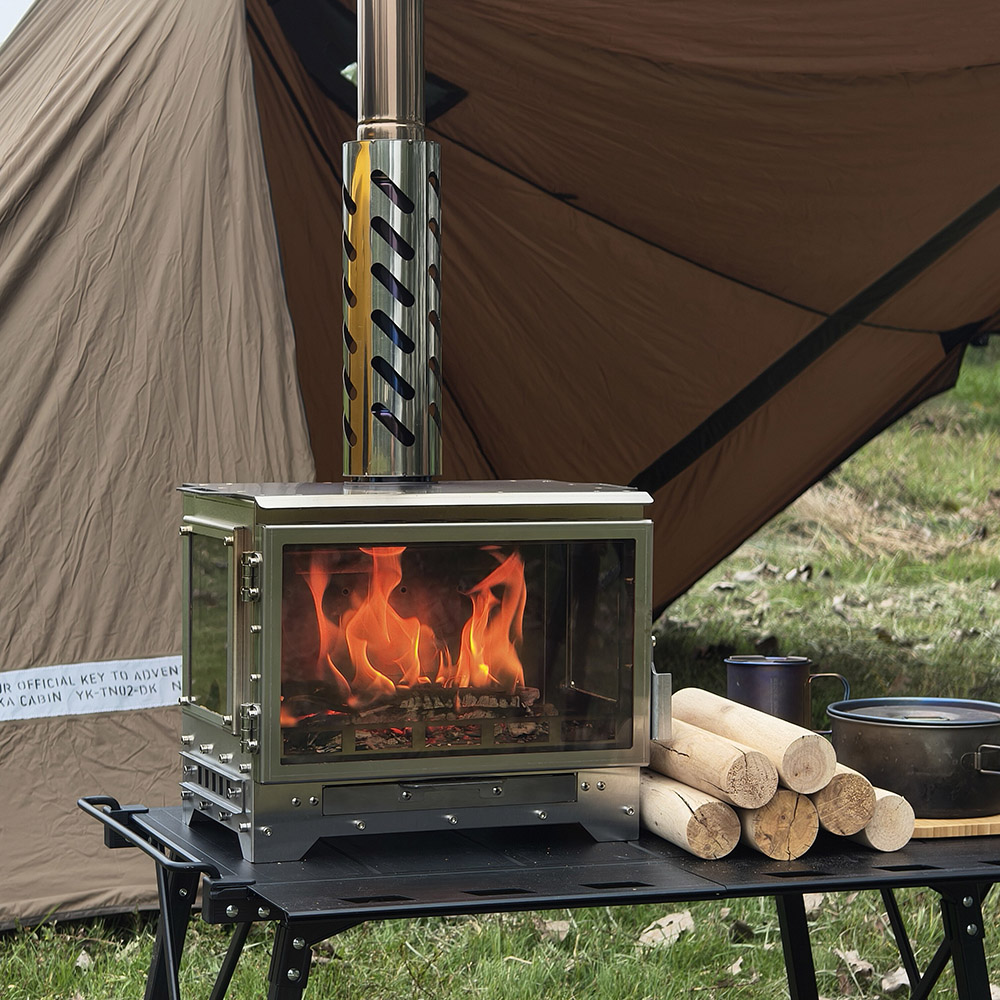
There’s nothing quite like the comfort of a warm, crackling wood stove on a cold winter camping night—especially when you’re cozied up inside a tent, shielded from the wind and snow. But using a wood stove inside a camping tent comes with serious safety risks: carbon monoxide poisoning, tent fires, and burns are just a few of the hazards that can ruin your adventure (or worse). At Woodstoveworks, we specialize in safe, durable tent stoves, and we’re here to share our expert guide to using a wood stove inside your camping tent safely—so you can stay warm and protected on every trip.
The key to safe tent stove use is preparation, proper setup, and vigilance. Many campers make avoidable mistakes that put themselves and their gear at risk, but with the right knowledge and the right tent stove (like our Woodstoveworks tent stoves), you can enjoy the warmth of a wood fire inside your tent without worry. Let’s break down the essential steps, safety rules, and pro tips to keep you safe.
1. Start with the Right Gear: Not All Stoves & Tents Are Safe for Indoor Use
Before you even set up your stove, you need to ensure you have the right equipment. Using the wrong stove or tent is the biggest mistake campers make—and it’s also the most dangerous. Here’s what you need:
Choose a Stove Designed Specifically for Tent Use
Never use a regular outdoor wood stove, campfire, or propane stove inside a tent. These stoves are not designed for enclosed spaces and will produce dangerous levels of carbon monoxide (a colorless, odorless gas that can be fatal). Instead, use a tent-specific wood stove—one that’s engineered for safe use in enclosed areas.
What to look for in a tent wood stove:
- Sealed Firebox: Prevents smoke and carbon monoxide from leaking into the tent.
- Chimney System: A sturdy, insulated chimney that vents smoke and fumes outside the tent (critical for safety).
- Spark Arrestor: Stops flying embers from escaping the chimney and igniting your tent fabric.
- Heat Shield/Anti-Scald Design: Protects you and your tent from accidental burns.
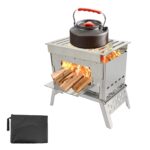
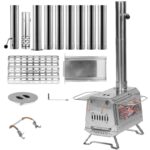
Pro Tip: Our Woodstoveworks 430 stainless steel tent stove is built for safe indoor tent use—it features a sealed firebox, 6-section insulated chimney, built-in spark arrestor, and heat shield to keep your tent and family safe.
Use a Tent with a Stove Jack (Non-Negotiable)
A stove jack is a dedicated, fire-resistant opening in your tent that allows the chimney to pass through the tent wall or roof. Never cut a hole in your tent for the chimney—this will damage the tent’s integrity and increase the risk of fire.
Look for a hot tent (a tent designed for wood stove use) with a pre-installed stove jack made of fire-resistant material (like silicone or fiberglass). If your tent doesn’t have a stove jack, do not use a wood stove inside it—no exceptions.
2. Set Up Your Tent Stove Correctly (Step-by-Step Guide)
Proper setup is the foundation of safe tent stove use. Follow these steps to set up your stove correctly, every time:
Step 1: Choose a Flat, Non-Flammable Surface
Set your tent stove on a flat, stable surface inside the tent—preferably a fireproof mat or metal base. Never place the stove directly on the tent floor (even if it’s a canvas tent) or on flammable materials like sleeping bags, blankets, or gear. The surface should be at least 30cm away from all tent walls, ceiling, and other flammable items.
Pro Tip: Our Woodstoveworks tent stoves come with a sturdy base, but we still recommend using a fireproof mat for extra protection—especially in canvas tents.
Step 2: Assemble the Chimney & Connect to the Stove
Assemble the chimney sections carefully, making sure each connection is tight (loose connections can leak smoke and carbon monoxide). Connect the chimney to the stove’s flue collar, then feed the other end through the tent’s stove jack. Ensure the chimney extends at least 1 meter above the tent roof to promote proper airflow and prevent smoke from blowing back into the tent.
Secure the chimney to the tent with the included wind ropes to prevent it from tipping over—this is especially important in windy conditions.
Step 3: Check for Leaks
Before lighting the stove, do a quick leak check. Light a small piece of paper inside the firebox and close the door. If smoke leaks from the stove’s seams or the chimney connections, turn off the stove and tighten the connections. Smoke leaks mean carbon monoxide could also be leaking—so don’t proceed until the leaks are fixed.
Step 4: Clear the Area Around the Stove
Ensure there’s at least 60cm of clear space around the stove—no gear, sleeping bags, clothing, or other flammable items. Keep a fire extinguisher, bucket of water, or sand nearby in case of emergency.
3. Essential Safety Rules While Using the Stove
Even with the right gear and setup, you need to follow these safety rules to stay protected while using your tent wood stove:
Never Leave the Stove Unattended
This is the most important rule. A lit stove can tip over, spark a fire, or produce dangerous levels of carbon monoxide if left unattended. If you need to leave the tent, extinguish the fire completely and wait for the stove to cool down.
Maintain Proper Ventilation
Carbon monoxide builds up in enclosed spaces—even with a chimney. Always leave a small opening (like a window or vent) in your tent to allow fresh air to circulate. This helps prevent carbon monoxide buildup and ensures the stove burns efficiently.
Pro Tip: Avoid closing all tent openings—even in cold weather. A small gap is enough to keep air flowing and keep you safe.
Control the Fire & Heat
Keep the fire small and controlled—don’t overload the firebox with wood. A large fire will produce more heat than the tent can handle, increasing the risk of tent damage or fire. Use the stove’s air intake to adjust the flame size: open the intake for a hotter fire, close it slightly to reduce heat.
Never touch the stove or chimney while it’s hot—they can reach temperatures of over 300°C and cause severe burns. Use the included heat-resistant gloves to add wood or adjust the stove.
Use the Right Fuel
Only burn dry, seasoned hardwood (like oak, maple, or birch) in your tent stove. Wet or green wood produces more smoke, less heat, and builds up creosote (a flammable substance) in the chimney—increasing the risk of chimney fires. Never burn treated wood, plywood, trash, or plastic—these release toxic fumes that are harmful to breathe.
Install a Carbon Monoxide Detector
A carbon monoxide detector is a must-have when using a wood stove inside a tent. Place the detector at eye level, away from the stove (to avoid false alarms from heat), and check the batteries before every trip. If the alarm goes off, immediately turn off the stove, open all tent openings, and exit the tent until the air is clear.
4. How to Extinguish the Stove Safely
Extinguishing the stove properly is just as important as setting it up. Follow these steps to put out the fire safely:
- Close the stove’s air intake to cut off oxygen to the fire.
- Let the fire burn out naturally—never use water to extinguish it (this can damage the stove and cause rust).
- Wait for the stove and chimney to cool completely (this can take 2–3 hours) before disassembling or moving them.
- Empty the ash drawer (if your stove has one) only when the ash is completely cool. Dispose of the ash in a metal container and keep it away from flammable materials.
5. Common Mistakes to Avoid (Critical for Safety)
Even experienced campers make mistakes—here are the most common ones to avoid when using a wood stove inside a tent:
- Using a non-tent-specific stove: As mentioned earlier, regular outdoor stoves are not safe for enclosed spaces.
- Skipping the stove jack: Cutting a hole in your tent or using a stove without a proper stove jack is a fire hazard.
- Leaving the tent unventilated: Poor ventilation leads to carbon monoxide buildup—never close all tent openings.
- Overloading the firebox: A large fire can overheat the tent and increase the risk of fire.
- Ignoring the carbon monoxide detector: Never disable or ignore the alarm—this could be a matter of life or death.
Final Thoughts: Safe Warmth for Your Camping Adventures
Using a wood stove inside a camping tent is a wonderful way to stay warm and cozy on cold trips—but safety must always come first. With the right tent stove (like our Woodstoveworks tent stoves), a proper hot tent, and these safety guidelines, you can enjoy the comfort of a wood fire without putting yourself at risk.
Our Woodstoveworks 430 stainless steel tent stove is designed with your safety in mind—from the sealed firebox and insulated chimney to the built-in spark arrestor and heat shield. We’ve tested our stoves in the harshest winter conditions to ensure they’re safe, efficient, and reliable for tent use.
If you have questions about tent stove safety, setup, or which stove is right for your tent, reach out to our team at woodstoveworks@outlook.com. We’re here to help you stay warm and safe on every camping adventure.